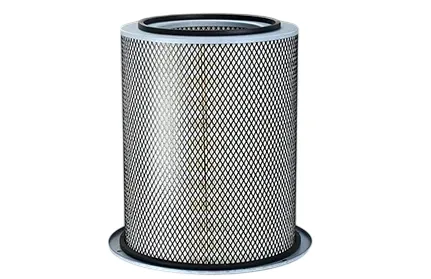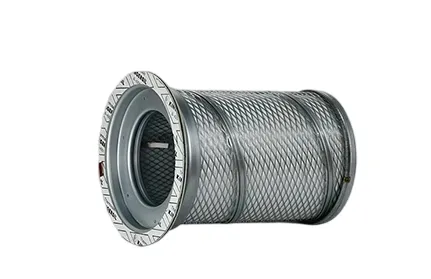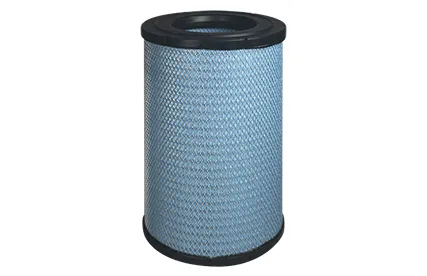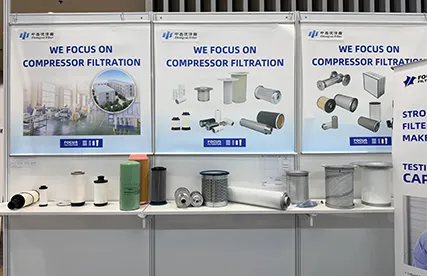
In the demanding world of industrial air compression, maintaining peak efficiency and longevity of equipment is paramount. Among the various components that ensure smooth operation, the inline filter stands out as a critical yet often underappreciated hero.
FocusFiltertion's inline filters are engineered to deliver superior filtration, removing contaminants that could otherwise compromise system integrity. This article delves into the specifics of inline filters, highlighting their design, benefits, and real-world applications to showcase why they are indispensable for any air compressor setup.
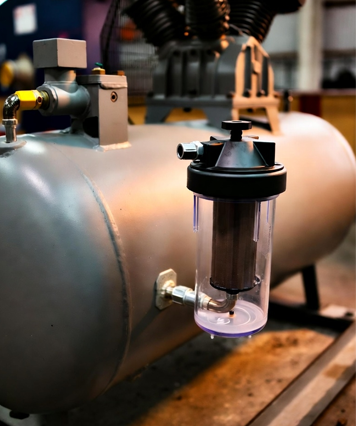
At the heart of any reliable air compressor system lies the need for uncontaminated airflow. Inline filters, also known as compressor inline filters, are positioned directly in the air or fluid lines to capture particles, moisture, and impurities before they reach sensitive downstream components. Unlike bulkier alternatives, these filters offer a compact, streamlined solution that integrates seamlessly into existing pipelines.
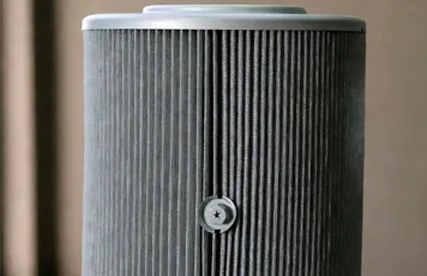
FocusFiltertion's inline filters excel in this role by employing advanced media technology. Constructed with high-efficiency pleated materials, they trap micron-sized debris—down to 0.1 microns in some models—while maintaining low pressure drops. This ensures that air compressors operate without the energy losses associated with clogged systems. For instance, in high-dust environments like manufacturing plants or construction sites, inline filters prevent abrasive particles from eroding valves and pistons, extending equipment life by up to 50% compared to unfiltered setups.
The purity achieved through these filters directly translates to better end-product quality. In applications such as pneumatic tools or spray painting, even trace contaminants can lead to defects. Inline filters eliminate oil aerosols, water droplets, and solid particulates, delivering clean, dry air that meets ISO 8573 standards. This level of filtration not only boosts performance but also reduces maintenance downtime, allowing operators to focus on productivity rather than repairs.
What sets premium inline filters apart is their thoughtful engineering tailored to industrial demands. FocusFiltertion prioritizes durability and efficiency in every inline filter design. Housings are typically made from robust aluminum or stainless steel, resistant to corrosion and capable of withstanding pressures up to 16 bar (232 psi). This makes them ideal for harsh conditions in sectors like automotive assembly or food processing.
Filtration efficiency is another standout feature. Multi-layer configurations combine pre-filters for larger particles with fine coalescing layers for aerosols, achieving 99.99% removal rates. Differential pressure indicators are often integrated, alerting users to replacement needs before performance dips. Easy-install quick-connect fittings further enhance usability, minimizing installation time to mere minutes.
Sustainability is woven into the design as well. Many inline filter elements are reusable after cleaning or feature eco-friendly materials that reduce waste. Compared to disposable options, these filters lower long-term costs—users report savings of 20-30% on replacements annually. In terms of flow rates, models handle from 10 to 500 CFM, accommodating everything from small workshop compressors to large industrial units. This versatility ensures that inline filters adapt to diverse needs without compromising on reliability.
Inline filters shine in practical scenarios where system uptime is non-negotiable. Take a Southeast Asian textile factory relying on air compressors for loom operation: without effective inline filtration, lint and humidity could clog lines, causing frequent shutdowns. By installing FocusFiltertion inline filters, the facility reduced breakdowns by 40%, improving output and worker safety.
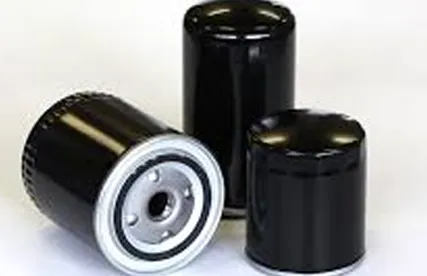
In the Middle East's oil and gas sector, where sand and heat prevail, inline filters protect against abrasive ingress. Paired with compressor oil filters and air/oil separators, they form a comprehensive barrier, preventing costly overhauls. European manufacturers in precision engineering benefit similarly; inline filters ensure contaminant-free air for CNC machines, maintaining tolerances within microns.
The benefits extend beyond immediate performance. Lower energy consumption—thanks to reduced system resistance—cuts operational costs. Health and safety improve as filtered air minimizes respiratory risks from oil mists. For distributors and dealers serving global markets like America, Australia, or India, stocking high-quality inline filters means offering clients a product that enhances overall compressor ecosystems, including air filters, oil filters, and lubricants.
In essence, inline filters are more than accessories; they are foundational to sustainable, efficient compression. Whether upgrading an existing setup or specifying new equipment, prioritizing advanced inline filtration ensures longevity, cost savings, and unparalleled reliability.
 Español
 русский
 português
 English