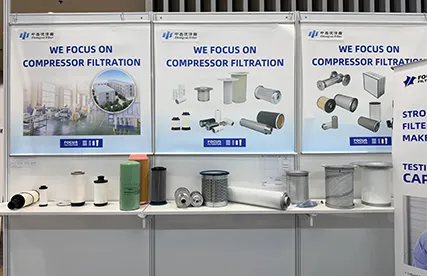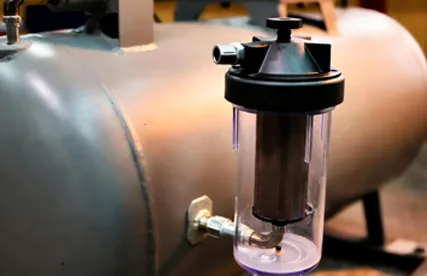
Standard replacement filters are usually the fastest option when the equipment model and original part number are known. However, there are situations where the catalog item is unavailable, the original element fails too quickly, operating conditions have changed or an OEM needs a filter for a new machine. In these cases, custom filtration solutions may provide a better fit than forcing an off-the-shelf element into the application.
Custom does not always mean designing an entirely new filtration system. It may involve matching an obsolete element, changing dimensions, selecting a different filter medium, modifying seals, strengthening the construction or adjusting the balance between efficiency and pressure drop. The quality of the result depends heavily on the information provided by the buyer at the start.
A custom review is justified when a filter fits physically but does not meet service expectations. Typical signs include unusually short life, excessive restriction, dust bypass, repeated seal damage, high oil carryover, collapse, corrosion or a filter that cannot withstand the actual temperature or pressure. Another common trigger is supply risk: the original element may be discontinued, available only at a long lead time or sold under a part number that cannot be cross-referenced confidently.
OEM buyers may also require a non-standard configuration because the available installation space, target flow or connection arrangement differs from existing products. In these projects, the filter must be evaluated as part of the equipment design. A change in pleat depth, media area or internal support can influence pressure drop, strength and service life.
A useful enquiry explains what the current element is expected to do and what is going wrong. State whether the filter is for compressor intake air, circulating lubricant, air-oil separation, vacuum-pump exhaust or downstream compressed air. Describe the contaminant, including dust type, particle loading, oil aerosol, moisture or process residue. Also identify the consequence of failure, such as reduced flow, equipment wear, product contamination or unacceptable oil carryover.
This problem statement helps custom filter manufacturers decide whether the solution requires a new design, a material change or simply a verified replacement. Without application context, a supplier may be able to copy the outside dimensions but cannot confirm that the internal construction is appropriate.
For replacement development, provide the original part number and equipment model first. Then supply overall height, outside and inside diameters, thread or port information, gasket dimensions and the position of metal caps, flanges or mounting features. Photographs should show the whole element and close views of connections, seals and markings. A drawing is preferable, while a physical sample is especially valuable when internal geometry cannot be measured easily.
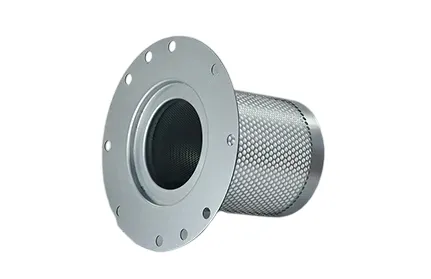
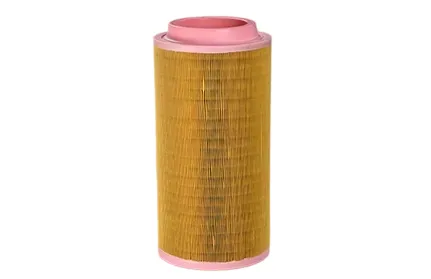
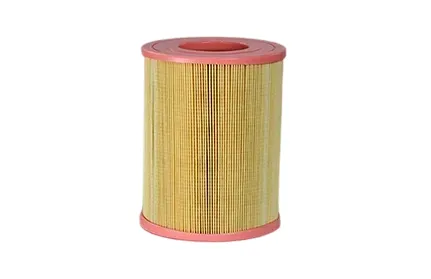
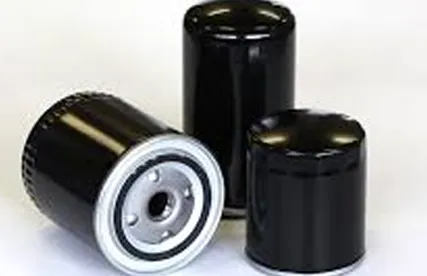
Different product types require different details. A customized vacuum pump air filter may require confirmation of intake flow, dust conditions and installation space. Oil filters require thread, gasket, flow and bypass information. Separator elements require accurate flange, gasket and scavenge-related dimensions in addition to operating pressure and target oil carryover.
Dimensions alone cannot predict performance. State the normal and maximum flow, minimum and maximum operating pressure, temperature range, duty cycle and acceptable initial or final differential pressure. Identify the fluid or lubricant that contacts the element, because seals, adhesive, media and coatings must be compatible with it. Where the application includes unusual chemicals, high oxygen content or aggressive vapor, the supplier should review material compatibility before production.
For a customized vacuum pump oil separator the buyer should also state the pump type, exhaust flow, lubricant, operating temperature, expected service interval and acceptable residual oil level. These details affect media choice, drainage behavior and structural design.
The specification should define how success will be judged. Depending on the element, acceptance criteria may include dimensional tolerances, filtration efficiency, flow resistance, burst or collapse strength, residual oil, service life or visual workmanship. For OEM projects, request drawing approval and a prototype or initial sample before the full order. For replacement projects, agree whether the goal is dimensional equivalence, functional equivalence or a performance improvement.
Testing should match the risk and order size. A single low-volume replacement may need dimensional and fit verification, while a recurring OEM program may justify laboratory performance testing, material documentation and batch-control requirements. The quotation should state what testing is included so the buyer can compare suppliers on the same basis.
Information to provide | Example details | Why the supplier needs it |
Identification | Equipment brand/model, original part number, existing supplier code | Establishes the intended application and possible cross-reference |
Geometry | Drawing, sample, height, OD/ID, thread, flange, gasket, flow direction | Prevents installation and sealing errors |
Operating conditions | Normal/max flow, pressure, temperature, duty cycle, environment | Determines capacity, strength and suitable materials |
Contamination and fluid | Dust type/loading, lubricant, oil aerosol, moisture, process vapor | Guides media, seal, adhesive and coating selection |
Performance target | Efficiency, pressure drop, residual oil, expected service life | Defines measurable acceptance criteria |
Commercial requirement | Annual volume, trial quantity, packaging, labeling, delivery market | Supports tooling, sampling, batch planning and quotation |
The lowest prototype price can become expensive if the supplier cannot maintain consistency. Buyers should review drawing control, sample approval, incoming-material checks, production inspection, traceability and the process for handling deviations. Ask whether the manufacturer can support repeat orders with the same construction and whether packaging and labels can be controlled for aftermarket or OEM distribution.
FOCUSFILTRATION accepts part numbers, dimensions, drawings, technical data and uploaded files for filter enquiries. Its support includes size confirmation, drawing verification and technical-data review for compressor and vacuum-pump filters. The website also states flexible order support without a rigid MOQ, which can help buyers begin with evaluation quantities before moving to regular supply.
Custom filtration is appropriate when a standard element is unavailable, poorly matched or unable to meet the operating target. A successful project begins with a clear problem statement and complete data on geometry, contamination, flow, pressure, temperature, materials and acceptance criteria. Better input reduces development time and prevents the supplier from designing around assumptions.
Buyers can send FOCUSFILTRATION an original part number, drawing, sample photographs and operating parameters for an initial review of compressor or vacuum-pump filter requirements.
Why do standard filtration solutions sometimes fall short?
Standard products are designed around common dimensions and operating ranges. They may be unsuitable when the installation space, contaminant load, fluid, temperature, pressure or required service life differs from the original design assumptions.
What information is needed to design a custom filter?
Provide the equipment model, original part number, drawing or sample, complete dimensions, flow, pressure, temperature, contaminant type, fluid compatibility, performance target and expected order volume.
Can a custom filter be made from an existing sample?
Yes, a sample can support reverse measurement and construction review. However, a sample alone does not reveal every operating requirement, so application data and acceptance criteria should still be supplied.
Should buyers approve a prototype before mass production?
Prototype or initial-sample approval is recommended for new designs and recurring OEM programs. It allows fit, dimensions and agreed performance checks to be completed before a larger production batch is released.
 Español
 русский
 português
 English