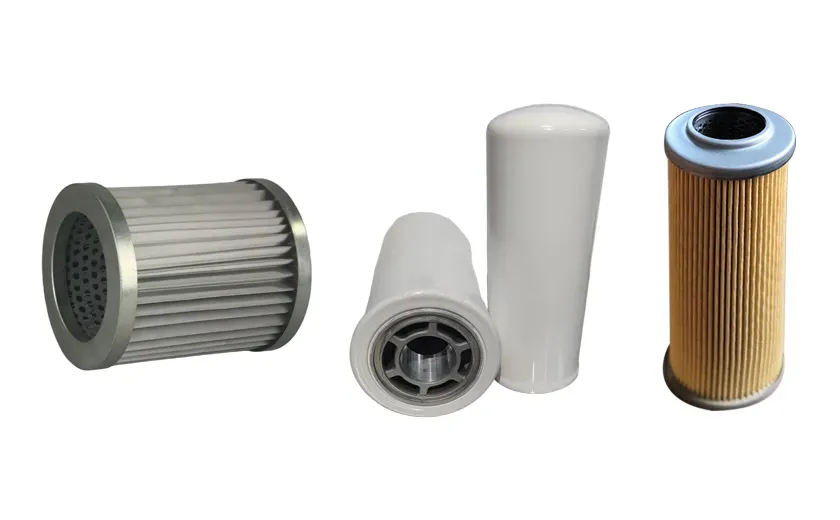
Industrial buyers often use the word “filter” as though every element performs the same task. In practice, effective filtration solutions divide contamination control into separate stages. An intake air filter, lubrication oil filter, air-oil separator and downstream inline filter operate in different locations, capture different contaminants and protect different parts of the system.
This distinction matters because changing the wrong component rarely solves the underlying problem. High oil carryover is not automatically an intake-filter issue. A rapidly rising differential pressure downstream may not be caused by the separator. Understanding each stage helps maintenance teams diagnose problems, helps distributors recommend the right replacement and helps procurement teams compare equivalent products more accurately.
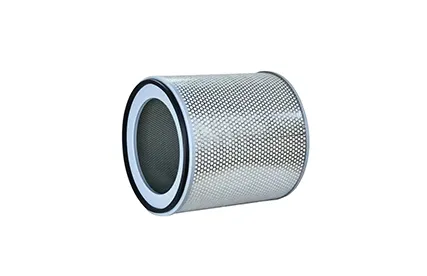
The intake filter is the first barrier between the operating environment and the compressor or vacuum pump. It captures airborne dust before contamination reaches close-clearance components, valves, lubricant and separation media. The correct screw compressor air filter must provide adequate dust-holding capacity while allowing the required airflow with a controlled pressure drop.
A heavily loaded or undersized intake element can reduce output and increase energy demand. A poorly sealed element can allow bypass leakage even when the filter media itself has a suitable rating. Maintenance should therefore include inspection of the housing, gasket surface and intake duct, not only replacement of the element.
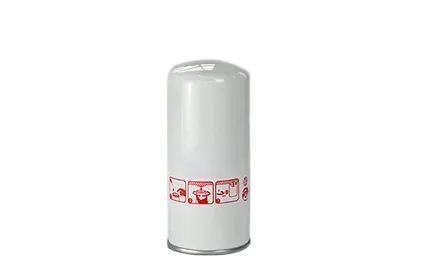
In oil-lubricated equipment, lubricant performs several functions: it reduces friction, helps seal the compression chamber, absorbs heat and carries contamination toward the oil filter. The screw compressor oil filter removes particles from this circulating oil before they can repeatedly pass through bearings and other sensitive components.
Oil-filter selection should consider flow capacity, micron rating, maximum temperature, thread and gasket compatibility, and bypass-valve design where applicable. A bypass valve can maintain lubrication flow if the element becomes severely restricted, but it also means contaminated oil may circulate. This is a protection feature, not a substitute for scheduled replacement.
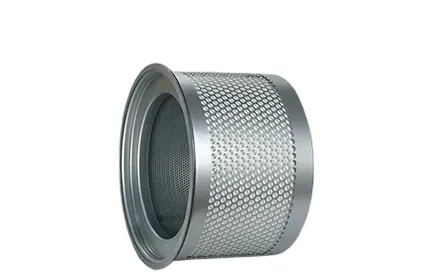
After compression, the discharge mixture from an oil-injected screw compressor contains air and lubricant. The separator allows oil droplets to coalesce and return to the lubrication circuit while the compressed air exits the vessel. A properly matched screw compressor oil separator helps control oil loss, supports cleaner discharge air and reduces the load on downstream filters.
Separator performance depends on more than the media. Scavenge-line condition, oil level, operating temperature, pressure, lubricant quality, sealing and grounding can all affect results. When oil carryover rises unexpectedly, the separator should be inspected as part of a system diagnosis rather than replaced without checking these related factors.
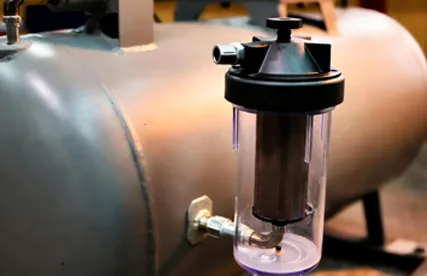
Even after the compressor separator, compressed air can contain fine oil aerosol, condensed water, rust, pipe scale and other solids. Inline filters are installed downstream to achieve the air quality needed by tools and production processes. Depending on the application, the treatment train may include a water separator, coalescing filter, particulate filter and activated-carbon stage.
The sequence matters. Bulk liquids should be removed before fine coalescing media, and a particulate stage may be placed after some dryer types to capture desiccant dust. Each housing and element must be sized for the actual flow and minimum inlet pressure. Selecting a grade by nominal micron rating alone can produce poor results if the filter is installed in the wrong position.
Component | Main contaminant or function | Typical position | Critical buying checks |
Intake air filter | Atmospheric dust and larger particles | Before the compression chamber / air end | Dimensions, seal, flow, efficiency, dust capacity, pressure drop |
Oil filter | Wear particles and contamination in lubricant | Lubrication circuit | Thread, bypass valve, flow, micron rating, oil and seal compatibility |
Air-oil separator | Oil droplets and mist in compressor discharge | Separator vessel after compression | Rated flow, pressure, residual oil target, temperature, sealing, grounding |
Inline filter | Water, aerosol, vapor or fine solids in compressed air | Downstream piping after compressor and dryer as required | Contaminant type, air-quality target, flow, pressure, drain and element grade |
Reduced compressor output combined with a dirty intake indicator points toward intake restriction. Abnormal wear particles or rapidly degraded lubricant suggests the oil circuit should be checked. Increasing oil consumption and visible oil downstream can involve the separator, but may also relate to scavenge problems, lubricant condition or operation outside the design range. Poor downstream air quality requires checking the full treatment train, including drains and dryer performance.
A useful troubleshooting record includes differential pressure, operating hours, oil consumption, ambient conditions and the date each element was changed. This makes repeated failures easier to identify and helps a supplier recommend a different capacity, media grade or service interval when the existing arrangement is not adequate.
For distributors and multi-site maintenance teams, the greatest savings often come from better identification rather than from choosing the lowest-priced element. Cross-reference the equipment model, original part number and dimensions; group replacements by machine; and keep air, oil and separator elements linked in the purchasing record. This reduces installation errors and makes planned service kits easier to manage.
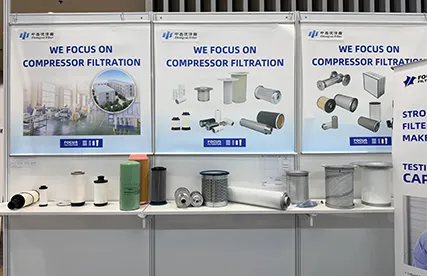
FOCUSFILTRATION supplies air filters, oil filters, separators and inline filtration products for compressors and vacuum pumps. Its support process includes part-number matching, size and drawing confirmation, technical-data review and OEM customization. Buyers can submit a list of equipment models or existing element numbers for a consolidated replacement review instead of enquiring one component at a time.
Reliable filter solutions depend on assigning each component a clear job. Intake filtration protects the machine, oil filtration protects the lubricant circuit, separation recovers oil from discharge air, and inline filtration protects downstream processes. When these stages are selected and maintained as one system, troubleshooting becomes faster and total operating cost becomes easier to control.
FOCUSFILTRATION can support distributors, service companies and OEM buyers with replacement matching and coordinated product selection across compressor and vacuum-pump filtration categories.
What does an air compressor filter do?
The term can refer to several components. An intake filter protects the compressor from atmospheric dust, while downstream compressed-air filters remove water, oil aerosol, vapor or solids from the air supplied to the process.
What is an inline air compressor filter, and why is it needed?
An inline filter is installed in the compressed-air piping after compression. It helps remove contaminants that remain after the compressor package, protecting pneumatic equipment and sensitive production processes.
What are inline air filters used to remove?
Depending on the filter grade, inline filters can remove bulk liquids, oil and water aerosols, solid particles, pipe scale and oil vapor. More than one stage may be required when several contaminant types are present.
How do inline filters affect energy efficiency?
Every filter creates some pressure drop. If the element is undersized, badly selected or overloaded, the compressor must work harder to maintain downstream pressure. Correct sizing and timely replacement help control this energy penalty.
 Español
 русский
 português
 English