Selecting industrial filtration solutions is not simply a matter of matching an element by outside diameter. A filter that fits the housing can still create excessive pressure drop, allow fine contamination to pass, shorten lubricant life or leave downstream air quality below the required level. The correct choice starts with the operating problem: what contamination is present, where it enters the system and what equipment or process must be protected.
Air compressors and oil-lubricated vacuum pumps both depend on several filtration stages. Intake air must be cleaned before it reaches the compression chamber. Lubricating oil must be protected from particles generated by wear or introduced during servicing. Oil mist must be separated from the discharge stream, while downstream compressed air may need additional treatment for aerosols, moisture and fine solids. Treating these components as one coordinated system is more reliable than purchasing each filter independently.
A part number is useful for identifying an existing replacement, but it does not explain why the filter is needed. Begin by recording the contaminants that can reach the equipment. Dusty intake air can damage internal surfaces and load the separator. Metal particles in lubricant can accelerate wear. Oil aerosols and moisture in compressed air can affect pneumatic tools, coatings, electronics or product-contact processes.
The operating environment matters as much as the nominal filter rating. A compressor in a clean utility room has a different loading profile from one beside a cement line, foundry or woodworking process. The same principle applies to vacuum pumps exposed to powder, vapor or frequent process cycling. When the risk is defined correctly, buyers can decide whether they need a standard replacement, a higher-capacity element, a different medium or a staged filtration arrangement.
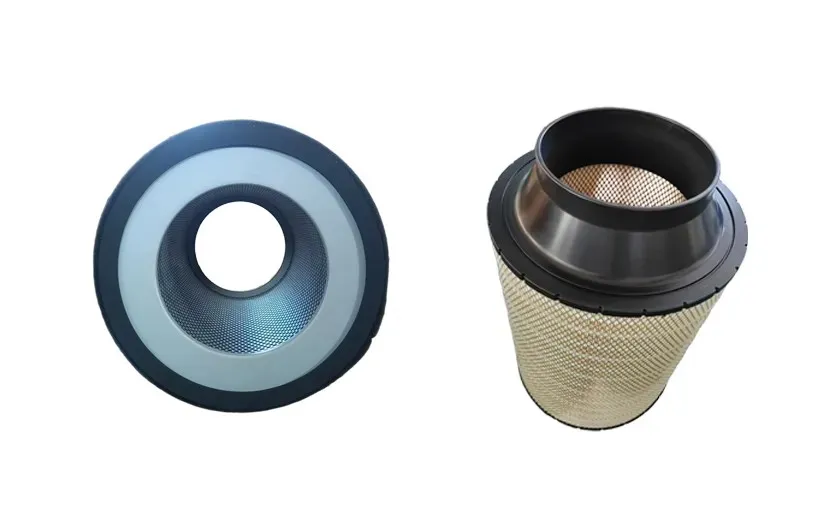
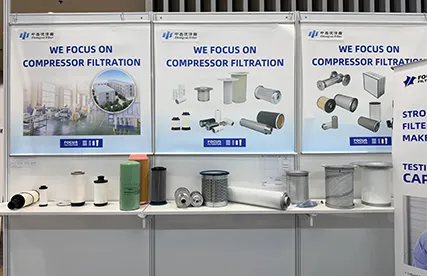
For screw compressors, the intake filter protects the air end, the oil filter protects the lubrication circuit, the air-oil separator recovers lubricant from compressed air, and the downstream line filter polishes the air after it leaves the compressor package. A practical starting point is to review the full range of air compressor filters rather than treating the intake element as the entire filtration system.
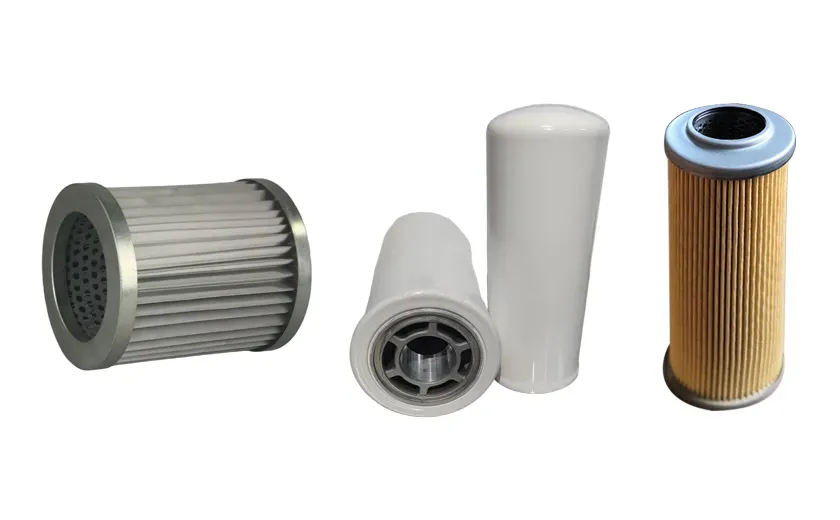
Oil-lubricated vacuum pumps use a comparable combination of intake filtration, oil filtration and oil mist separation, although the flow direction, housing design and duty cycle may differ. Buyers handling pump maintenance or aftermarket replacement programs should evaluate the complete group of vacuum pump filters so that compatibility is checked across the pump rather than one component at a time.
Micron rating alone does not determine value. A very fine element can be unsuitable if it restricts airflow or reaches its terminal pressure drop too quickly. Buyers should compare filtration efficiency, rated flow, initial and final pressure drop, operating pressure, maximum temperature, media construction, seal compatibility and expected service life. These parameters influence energy use, maintenance intervals and the risk of unplanned shutdowns.
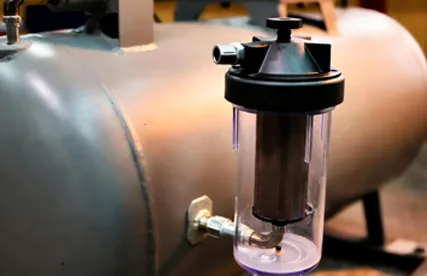
For downstream air treatment, the target air quality should be defined before choosing a filter grade. A general pneumatic application may tolerate a different residual oil or particle level from painting, instrumentation, electronics or product-contact air. An appropriately selected inline filter should be sized for actual flow and minimum operating pressure, with enough capacity to avoid excessive differential pressure as the element loads.
System risk | Relevant filtration stage | Key specifications to confirm | What happens if mismatched |
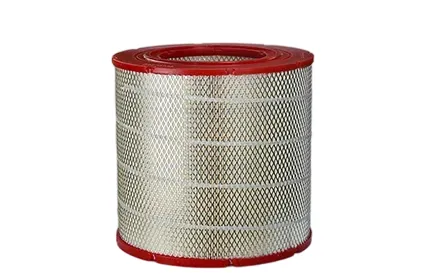
Dust entering the machine | Intake air filter | Efficiency, flow capacity, pressure drop, sealing, temperature | Air-end wear, separator loading, reduced output |
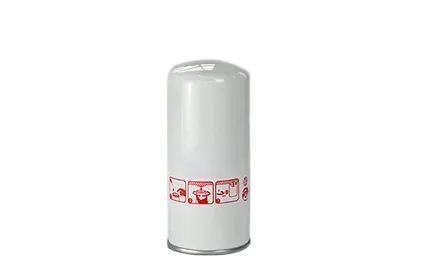
Particles in lubricant | Oil filter | Micron rating, bypass valve, flow, seal and oil compatibility | Bearing wear, lubricant degradation, restricted oil flow |
Oil carryover at discharge | Air-oil separator / oil mist separator | Residual oil target, rated flow, pressure, temperature, grounding and sealing | Oil loss, contaminated air, higher maintenance |
Fine aerosol, water or solids downstream | Inline filter train | Contaminant type, air-quality target, flow, inlet pressure, drain method | Product defects, tool damage, energy loss from pressure drop |
Dimensional matching is necessary, but it should include more than height and diameter. Confirm connection style, gasket position, collapse strength, flow direction, bypass-valve requirements and the material compatibility of media, adhesive and seals. When replacing an element for another brand, provide the original part number, equipment model and clear photographs. For uncertain applications, a drawing or physical sample reduces the risk of an apparently similar but functionally incorrect replacement.
A capable supplier should ask for operating data before recommending a solution. Useful evidence includes dimensional confirmation, material information, differential-pressure or performance data, batch quality checks and clear traceability. Buyers managing multiple brands also benefit from consolidated cross-reference support, because it reduces duplicate inventory and simplifies purchasing.
FOCUSFILTRATION supports compressor and vacuum-pump filter selection through size confirmation, drawing verification, technical-data review and laboratory test information. The company supplies replacement and OEM filter products for major equipment brands and serves distributors, maintenance companies and industrial buyers in international markets. The most efficient enquiry includes the equipment model, original part number, annual quantity, application conditions and any performance issue with the current element.
The best industrial filtration solution is the one that controls the right contaminant without creating unnecessary restriction or maintenance. By mapping intake, lubrication, separation and downstream treatment as a system, buyers can compare products on performance, compatibility and lifecycle cost rather than price alone.
For replacement programs or new OEM requirements, FOCUSFILTRATION can review part numbers, drawings, samples and operating parameters to help identify a suitable filter configuration for air compressors and vacuum pumps.
What is a compressed air filter?
A compressed air filter removes selected contaminants such as liquid water, oil aerosol, oil vapor or solid particles from compressed air. Different contaminants require different filter media and stages, so a single element is not suitable for every air-quality target.
How do I know which compressor filter I need?
Confirm the compressor model and original part number, then check the actual airflow, minimum operating pressure, contaminant type, required air quality, temperature and connection size. Selection should be based on both physical compatibility and performance.
What is the optimal air quality for an industrial application?
The optimal air quality is the level required by the downstream process, not necessarily the finest grade available. General pneumatic tools, painting, instrumentation and product-contact applications can require different limits for particles, moisture and oil.
Why does pressure drop matter when selecting a filter?
Pressure drop represents resistance to airflow. Excessive differential pressure can reduce available pressure and force the compressor to consume more energy. Filters should therefore be sized for real flow conditions and replaced before restriction becomes excessive.
 Español
 русский
 português
 English